Blog
How Green Building Electrical Compliance Reduces Risk in Brisbane
Related Articles



Brisbane is building smarter than ever. From glass-fronted office towers in the CBD to mixed-use developments in Fortitude Valley, sustainability now shapes every serious project. Green building electrical compliance sits at the centre of this shift. It is not just a technical box to tick. It is a risk control strategy.
When you approach such compliance with the right systems and documentation, you protect your asset, your tenants, and your reputation. Electrical design decisions today affect operating costs, insurance exposure, tenant satisfaction, and even resale value tomorrow.
For developers and property managers in Brisbane, compliance is no longer reactive; it is strategic. Green building electrical compliance supports safer work sites, stable power distribution, and alignment with evolving sustainable building regulations across Queensland.
Brisbane’s climate is humid, storm-prone, and increasingly energy-conscious. Electrical infrastructure must handle peak cooling loads, rooftop solar, EV charging, and smart automation. When compliance is weak, risk increases quickly.
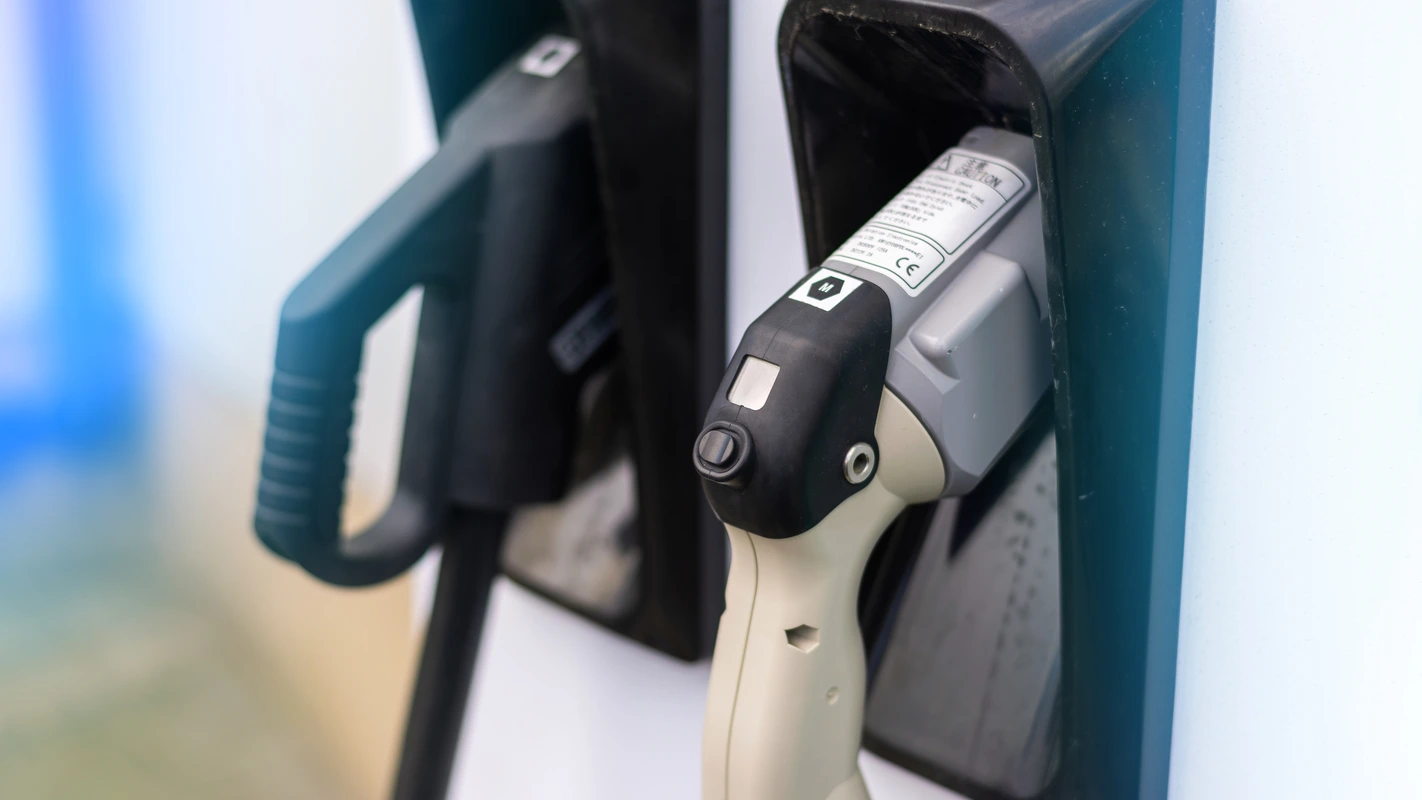
Green-focused projects demand stronger oversight because they integrate solar PV systems, battery storage, smart lighting controls, building management systems, high-efficiency HVAC, and EV charging infrastructure. Each element increases technical complexity. Without structured green building electrical compliance, small design errors can create system overloads, energy inefficiencies, or safety hazards.
In a competitive property market, compliance is no longer invisible. Tenants ask questions, investors request documentation, and councils expect alignment with sustainable building regulations. Proper compliance protects your project from costly redesigns and legal complications down the road.
Energy efficiency compliance goes beyond reducing power bills. It ensures that electrical systems are designed, installed, and tested to perform at optimal levels under real operating conditions.
In Brisbane, this means meeting national wiring and safety standards, aligning with energy performance benchmarks, integrating renewable-ready infrastructure, and designing circuits for load balance and resilience.
When green building electrical compliance is embedded early in the design stage, risks decrease dramatically. Oversized systems waste capital. Undersized systems trigger overloads. Poor coordination among lighting, HVAC, and automation results in unstable performance.
A compliant design supports lower lifecycle costs, reduced carbon footprint, stable power distribution, and stronger building performance ratings. More importantly, it reduces operational surprises, which is the true value.
A green building electrical compliance certificate is more than just a piece of paper. It shows that the installation meets safety and legal criteria. In terms of risk management, it is proof that the work was done correctly.
Without this paperwork, building owners may have trouble with insurance claims, delays in getting permission to move in, legal problems if something goes wrong, and lower property values.
When the right certification is used to verify green building compliance, everyone involved feels more confident, lenders feel more confident, and tenants feel safer. Facility managers can run systems knowing that installations fulfil the necessary standards.
Certification also enhances transparency during handover for commercial projects. It is included in your asset documentation pack, strengthening long-term asset management.
Brisbane’s development landscape is getting stricter when it comes to sustainability performance. Green building compliance affects how electricity is laid out, how renewable energy is used, and how meters are installed.
These rules set the minimum standards for energy performance, the integration of renewable technologies, demand management systems, and monitoring infrastructure.
Following the rules lowers the chance of not getting approval or having to pay for expensive retrofitting. It makes it hard for people to live in a building, and it usually costs much more than ensuring the building is up to code during construction.
By incorporating structured planning, early-stage load modelling, renewable integration design, and smart metering routes, projects can meet sustainability goals across Queensland without incurring significant redesign costs.
Electrical compliance for commercial buildings carries higher stakes. Offices, retail centres, data-driven workplaces, and mixed-use towers rely heavily on stable power infrastructure.
In commercial environments, risk exposure increases because load demands fluctuate daily, equipment is sensitive to voltage instability, data systems require an uninterrupted supply, and fire safety systems depend on electrical integrity.
| Compliance Factor | Compliant System Outcome | Non-Compliant Risk Outcome |
| Load Management | Balanced circuits and stable performance | Overloads and breaker trips |
| Documentation | Clear certification and approvals | Delays in occupancy permits |
| Energy Monitoring | Accurate usage tracking | Poor cost visibility |
| Renewable Integration | Smooth solar and EV connection | System conflicts and inefficiency |
| Safety Testing | Verified fault protection | Increased fire risk |
When green building compliance is prioritised, the entire building ecosystem functions smoothly. Under the Building Energy Efficiency Disclosure Act 2010 (BEED Act), certain commercial office buildings must disclose their energy efficiency rating when sold or leased, making strong electrical compliance essential to protecting asset value and market appeal.
Risk reduction begins at the design stage; it does not start until it’s installed. A well-planned electrical system accounts for changes in tenants, demand growth, and technological improvements.
Some important design strategies are:
More and more Brisbane homes are being used as flexible offices. This means power will be used more densely. Electrical compliance ensures that distribution systems can be updated without redoing expensive work. This design-forward thinking protects asset value over time.
Insurers assess risk based on documentation and the integrity of infrastructure. Buildings without clear compliance records may face higher premiums or complex claims processes.
Energy efficiency compliance and verified certification demonstrate responsible asset management. It signals reduced fire hazard risk and improved electrical reliability. For building owners, this means:
Brisbane buildings do not stay the same for long. Tenants upgrade equipment, offices add more workstations, car parkings install EV chargers, and power demand slowly increases. If the original system was not properly planned, problems surface later. Circuits trip, boards run close to capacity. Upgrades cost more than expected.
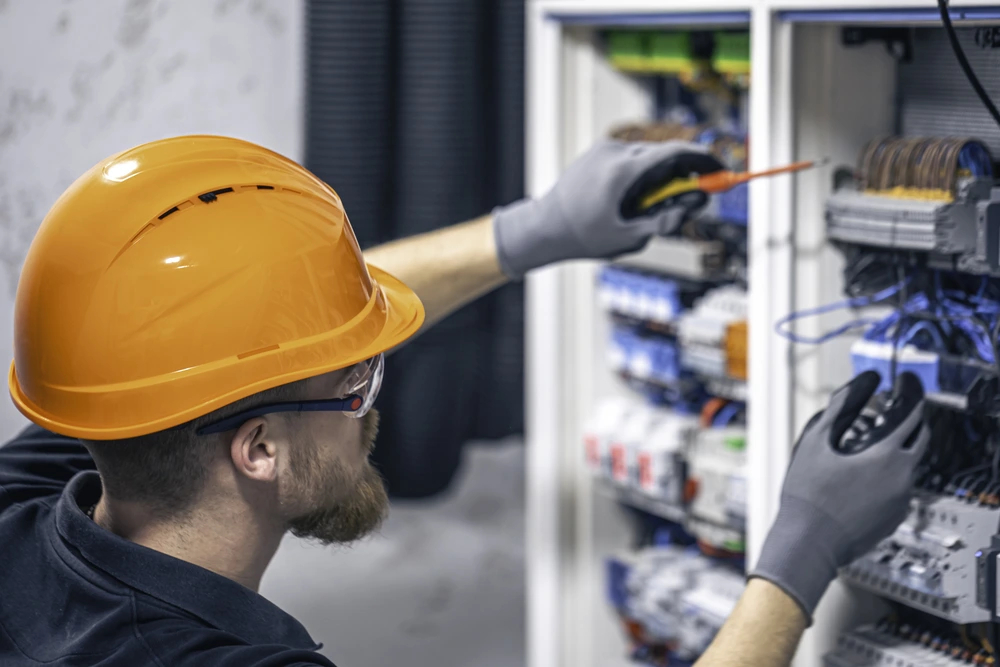
Green building electrical compliance checks whether the system has room to grow. It reviews load calculations, protection settings, and distribution layout. It confirms the building can handle extra demand without unsafe shortcuts.
Energy efficiency compliance also plays a role here. When the design is balanced and tested early, you avoid stress on cables and switchboards. That means fewer faults and fewer urgent call-outs. For commercial properties, this reduces disruption and protects daily operations. Good compliance today prevents expensive electrical changes tomorrow.
Young investors and developers in Brisbane think long term. A building is not just a structure; it is a portfolio asset. Green building electrical compliance enhances tenant retention, energy cost predictability, ESG alignment, and market reputation.
Buyers now examine infrastructure capability. They want to know if the building can support EV chargers, smart upgrades, or renewable expansions. Electrical compliance for commercial buildings ensures the asset remains competitive in a sustainability-driven market.
Green building electrical compliance in Brisbane is more than a regulatory requirement; it is a structured approach to reducing operational, financial, and safety risk. From energy efficiency compliance to proper certification and alignment with sustainable building regulations, every stage of planning and installation strengthens your asset.
For commercial properties, especially, electrical compliance protects more than infrastructure. It safeguards tenant satisfaction, supports stable power distribution, improves ESG positioning, and maintains asset value in a competitive Brisbane market. Early compliance planning ensures your building is prepared for solar expansion, EV charging, smart automation, and future energy demands without disruption.
At EIS Technologies, we design and deliver compliant, future-ready electrical systems for commercial and green-focused projects across Brisbane. If you want safer infrastructure, stronger certification, and reduced long-term risk, contact our team today and secure your project’s compliance with confidence.