Blog
Why Your Business Needs an Electrical Service Upgrade in Brisbane
Related Articles



Every business owner in Brisbane has been there – the air conditioning stops working on the hottest day of the year, or the lights flicker every time the coffee machine and the printer are both in use. It’s easy to write off these moments as minor annoyances. But more often they are early warning signs that the electrical infrastructure of your building was not designed to carry the load that you are now putting on it.
That’s where an electrical service upgrade comes in. In simple terms, it means bringing your building’s electrical system, switchboard, wiring, and power distribution up to a standard that matches how your business actually operates today, not how it operated ten or twenty years ago. As Brisbane continues to grow and commercial premises are asked to support more equipment, more technology, and more people, the demand placed on ageing electrical systems has grown right alongside it.
In this article, we’ll walk through what an electrical service upgrade actually involves, why it matters for businesses across Brisbane, the signs that suggest you might need one, and what to expect from the process. Whether you’re running a retail fitout in the CBD, managing a warehouse in the outer suburbs, or overseeing a healthcare or education facility, understanding this topic will help you make a more informed decision about the safety and performance of your premises.
An electrical service upgrade involves upgrading, replacing or expanding the electrical infrastructure that supplies power to a commercial building. This could involve upgrading the main switchboard, increasing supply capacity, rewiring parts of the property or adding new distribution boards to accommodate additional equipment.
A simple repair is designed to fix a specific fault; an upgrade looks at the big picture. It looks at the whole system and asks a pretty basic question: is this infrastructure fit for purpose now and in the near future? The honest answer for many older commercial buildings across Brisbane is often no, particularly in Fortitude Valley and inner-city suburbs.
A well-planned commercial electrical upgrade generally covers:
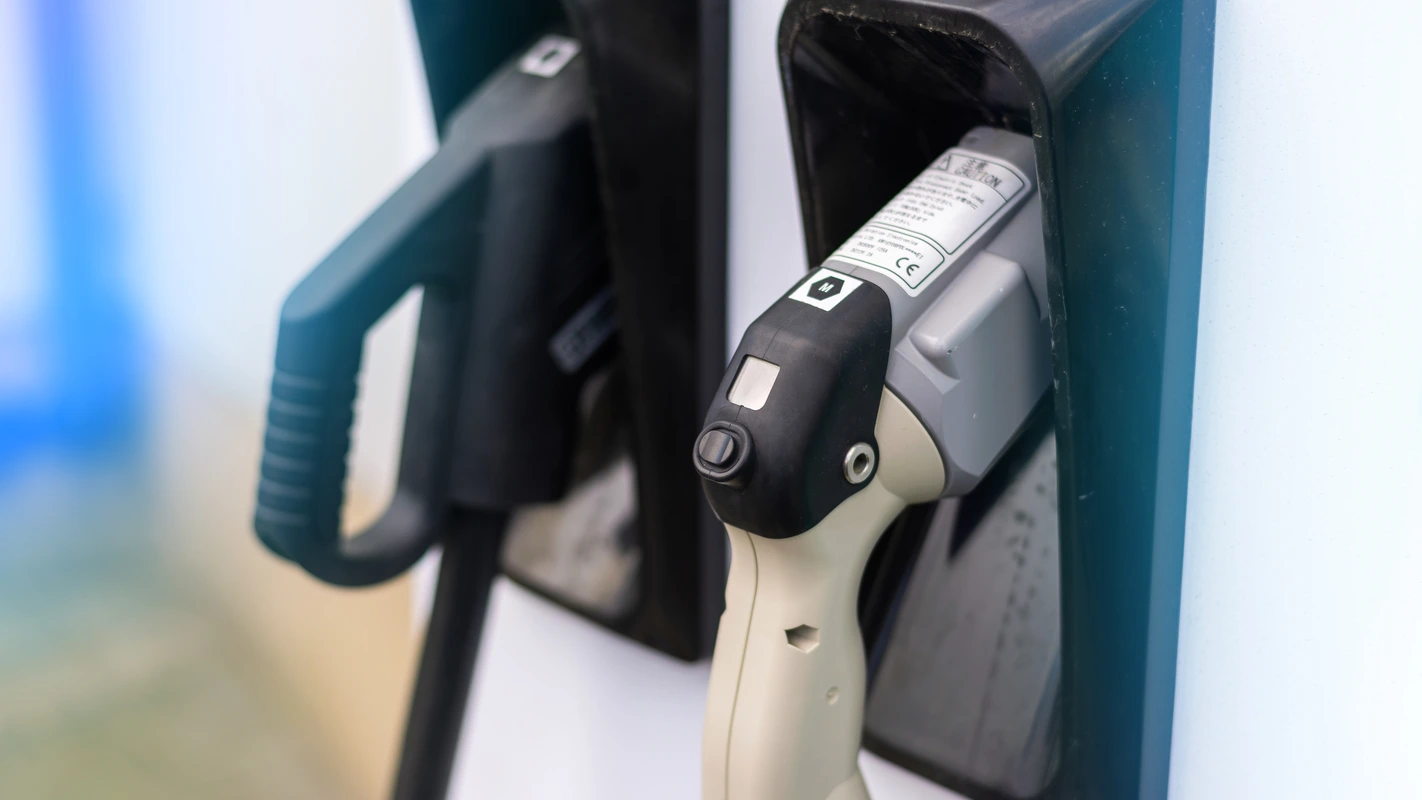
Brisbane’s commercial landscape has been transformed. Decades-old wired buildings now need to support servers, EV charging points, energy monitoring systems and far more powerful equipment than their original design ever imagined. A commercial electrical upgrade is not just about avoiding inconvenience. It’s about protecting your people, your equipment and your ability to continue to operate without interruption.
This has become a real priority for businesses across the region for many reasons.
An ageing infrastructure: Many commercial properties in the older precincts of Brisbane still have switchboards and wiring that were installed long before current standards were in place. The parts wear out, insulation wears out and what once felt like a lot of capacity becomes a limitation.
Rising power demands: Businesses today run more equipment than ever before, from computer systems and communications infrastructure to specialised machinery. Without an electrical system upgrade to match, that demand can overload circuits and increase the risk of faults.
Regulatory compliance: Queensland’s electrical safety framework, overseen by the Electrical Safety Office, sets out clear obligations for commercial premises. Falling behind on electrical compliance Brisbane requirements isn’t just a technical issue; it can expose a business to real legal and safety risk.
Sustainable objectives: Upgrading the electrical system is often a pragmatic first Regulatory Compliance Queensland has a clear electrical safety framework under the Electrical Safety Office, which sets out obligations for commercial premises.
Electrical compliance Brisbane: Falling behind on requirements isn’t just a technical issue; it can expose a business to real legal and safety risk. Consumption and emissions, creating the foundation for LED lighting, energy monitoring and EV charging infrastructure.
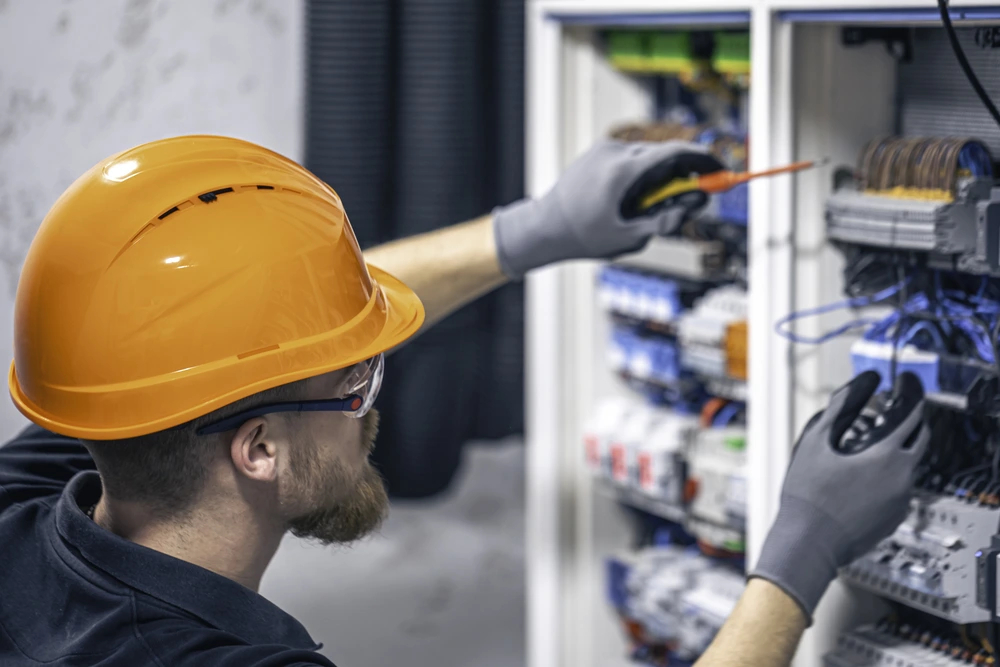
It’s not always obvious when a building’s electrical system is maxed out. Some signs are subtle, some are much less subtle. What commercial electrical contractors usually check for in an assessment:
| Warning Sign | What this typically means |
| Circuit breaker keeps tripping | Circuits are overloaded and no longer have the capacity to safely meet demand |
| Lights flickering or dimming | Uneven power distribution or an ageing switchboard groaning under the load |
| Warm power points or switchboards | Potential fire hazard requiring immediate attention |
| Buzzing or crackling from the switchboard | Loose connections or failed components |
| Inability to add new equipment or machinery | Current supply capacity has been exceeded |
| Recent refurbishment or fit-out | The original wiring may no longer be suitable for the new layout or use of the building |
| Switchboard (10 years old) is getting old | Components may not be up to current safety standards anymore |
If any of these sound familiar, it is worth getting a professional assessment sooner rather than later. A commercial electrician trusted by Brisbane businesses will be able to tell if the problem is isolated or part of a broader capacity issue.
Investing in a commercial electrical upgrade provides benefits that go far beyond just fixing what is broken.
More security: It is the basis of any upgrade. Upgrading modern switchboards, updating wiring and installing adequate circuit protection can significantly reduce the chances of electrical fires, shocks and equipment damage.
More dependable: Fewer outages and unplanned trips to the switchboard mean less disruption to your day-to-day operations, whether you run a retail store, a warehouse or a healthcare facility.
More power: An appropriately sized electrical system upgrade helps ensure that your building can accommodate current equipment and future growth without the electrical system becoming the bottleneck.
Regulatory peace of mind: Staying aligned with Queensland’s electrical safety requirements protects your business from compliance issues and demonstrates due diligence to staff, tenants, and regulators alike.
Better energy efficiency: Many commercial electrical solutions bundled into an upgrade, such as LED lighting and energy monitoring, can meaningfully reduce ongoing running costs over time.
Support for future tech: From EV chargers to smart building systems, a modernised electrical backbone makes it much easier to adopt new technology as it comes available.
A properly managed commercial power upgrade generally follows a structured process, rather than a one-off callout. While every site is different, the general approach looks like this:
This is also where working with an experienced provider makes a genuine difference. A team that combines electrical consulting with hands-on delivery, such as EIS Technologies in Brisbane, can guide you through planning, compliance, and installation as a single, coordinated process rather than a series of disconnected steps.
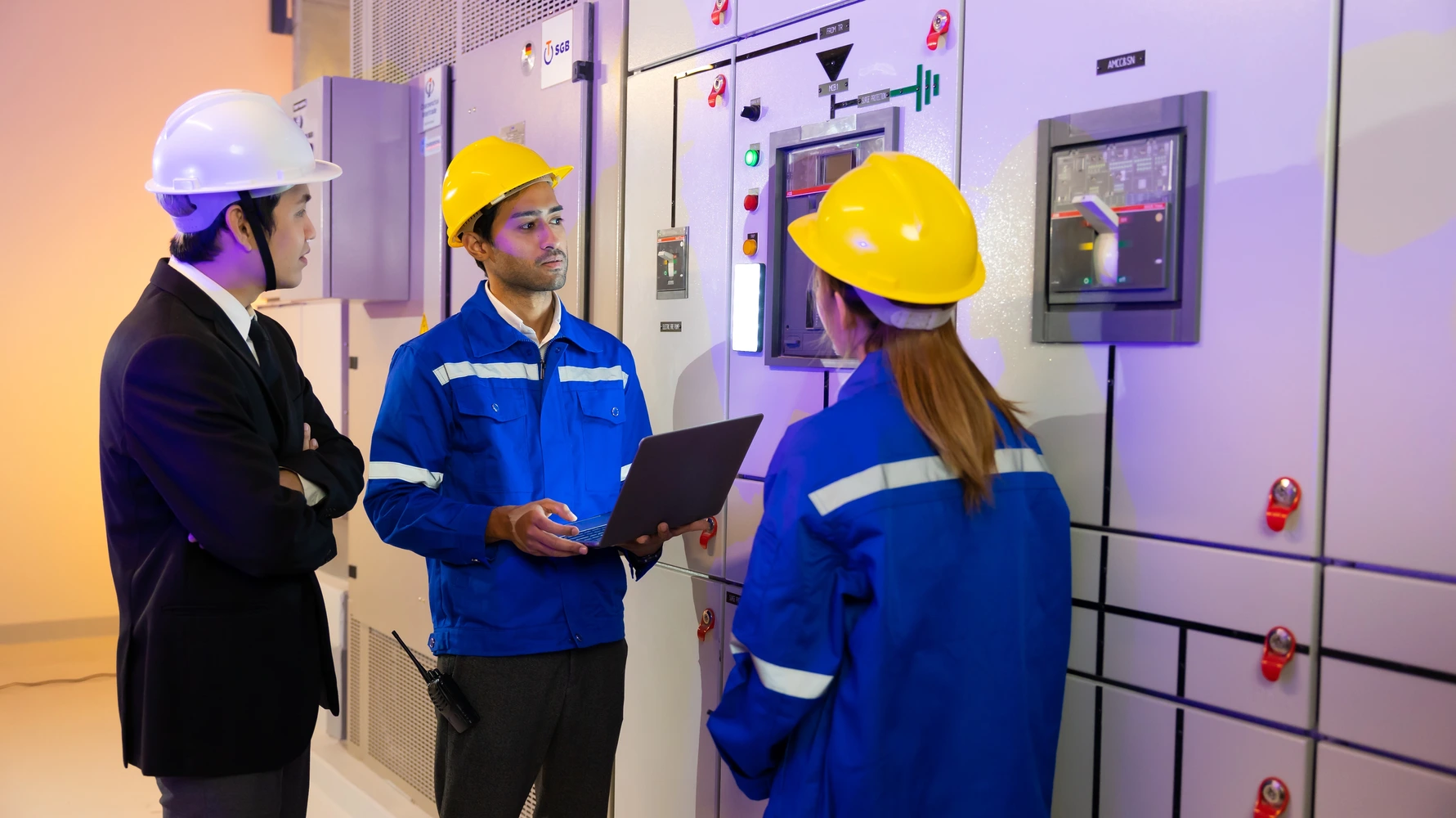
Not every electrician is equipped to manage a full-scale commercial electrical upgrade. When assessing potential contractors, it’s worth considering:
Brisbane-based providers with local knowledge of the regulatory environment, and established relationships with the Electrical Safety Office’s requirements, are generally best placed to manage the process smoothly from start to finish.
A commercial service upgrade is rarely the most exciting item on a business owner’s to-do list, but it’s consistently one of the most important. Ageing infrastructure, rising power demands, and evolving compliance requirements all point in the same direction: businesses across Brisbane can’t afford to treat their electrical systems as a “fix it when it breaks” problem.
The good news is that a well-planned upgrade doesn’t need to be disruptive. With the right commercial electrical contractors guiding the process, from initial assessment through to compliance sign-off, businesses can move from ageing, unreliable infrastructure to a system built to support how they actually operate today.
If you’ve noticed any of the warning signs covered in this article, or simply haven’t had your electrical system assessed in some time, now is a sensible time to act. Reach out to the team at EIS Technologies for a straightforward electrical service upgrade assessment, tailored to your Brisbane premises. Book an appointment or reach us on 1300 043 179 to get started.
Common indicators include frequent circuit breaker trips, flickering lights, warm switchboards, and difficulty running additional equipment. A professional assessment from a licensed commercial electrician is the most reliable way to confirm whether an upgrade is required.
Timelines vary depending on the size of the building and the scope of works involved. A single switchboard upgrade may take a few days, while a full electrical system upgrade across a larger commercial site can take several weeks. Your contractor should provide a clear timeline during the scoping stage.
Not in every case, but Queensland businesses are legally required to maintain electrical systems that meet current safety standards. Where a system no longer complies, or poses a safety risk, an upgrade is generally necessary. You can find further detail on obligations via the Electrical Safety Office.
In most cases, yes. Experienced commercial electrical contractors typically plan works around your operating hours, or complete them in stages, to minimise disruption to staff and customers.
A repair addresses a specific, isolated fault. A full-scale upgrade takes a broader view of the entire system, assessing capacity, compliance, and long-term reliability, rather than simply resolving the immediate issue.