Blog
What Is Green Building Compliance and Why It Matters in Brisbane
Related Articles



Brisbane continues to embrace sustainable development, making green building compliance an essential consideration for residential, commercial, and industrial projects. Rather than being just another regulatory requirement, it provides a practical framework for designing and constructing buildings that are energy-efficient, environmentally responsible, and aligned with modern Australian standards.
As environmental expectations continue to evolve, compliance has become an important part of delivering buildings that are both functional and future-ready. From energy-efficient design and responsible material selection to improved indoor comfort, sustainable construction practices offer lasting value while supporting Queensland’s broader environmental objectives.
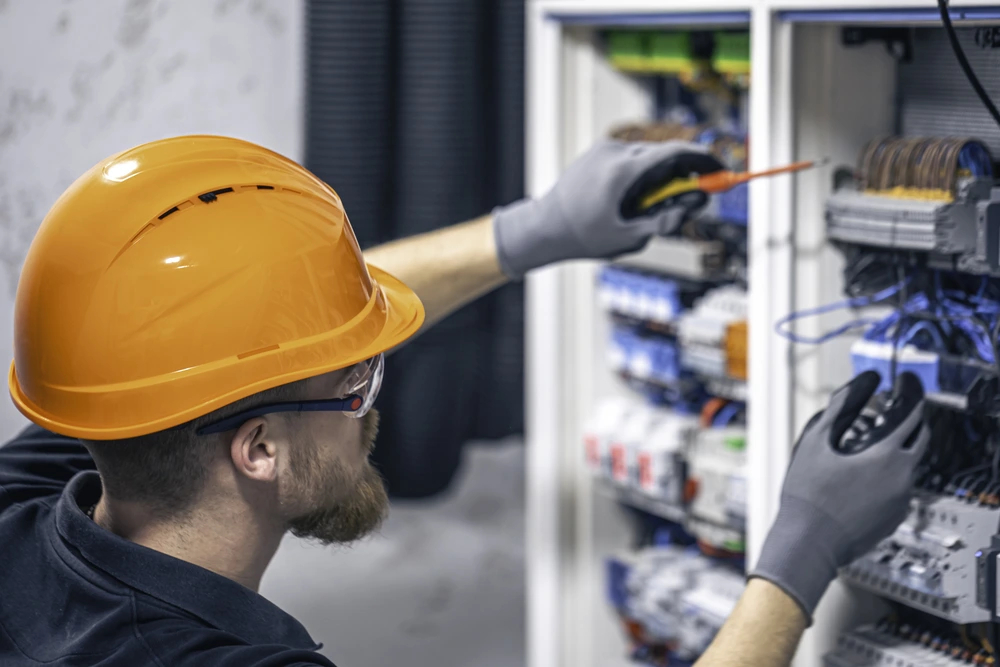
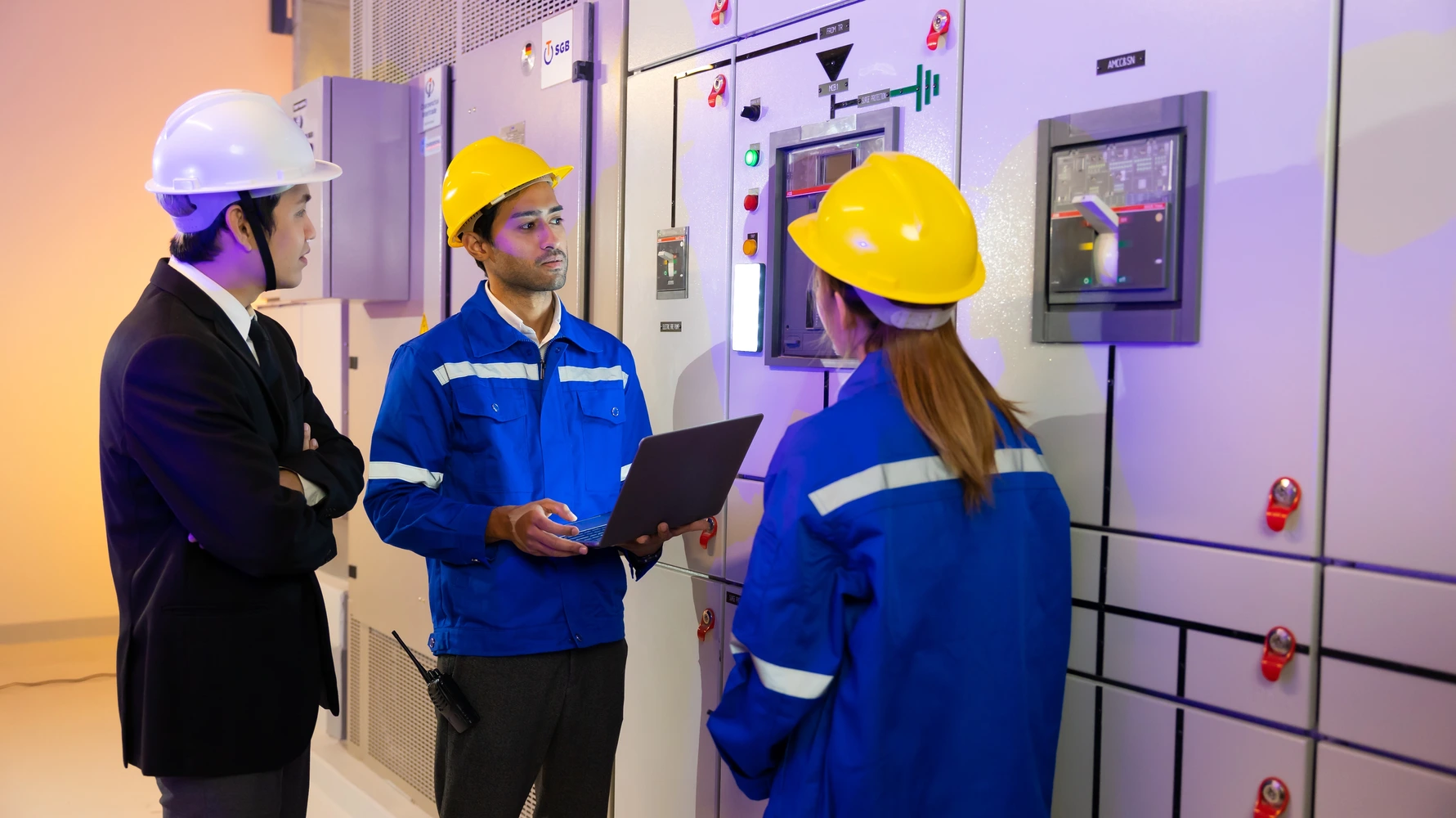
Whether you’re planning a new development or upgrading an existing property, understanding green building compliance helps you make informed decisions from the outset. Working with experienced electrical consultants ensures your project satisfies current regulations, meets building energy compliance requirements, and supports sustainable outcomes without compromising quality or performance.
Green building compliance means meeting or exceeding official sustainability and energy-efficiency requirements in construction. It goes beyond just obeying the minimum National Construction Code (NCC) regulations: it can include voluntary certifications or higher targets. In other words, it’s about designing buildings to use less energy and water, produce fewer emissions, and use materials in sustainable ways.
Key elements typically include:
Together, these measures embody sustainable architecture and ensure that a building qualifies as green. They also often align with certification programs like Green Star or NABERS, which are widely used in Australia.
In Brisbane’s subtropical climate, building performance has a big impact on comfort and costs. Without green compliance, strong sun and humidity force air conditioners to work overtime, driving up energy bills and emissions. By contrast, a well-designed Green building stays cooler naturally. Compliance also ties into Brisbane’s broader climate goals.
Importantly, green compliance often saves money in the long term. Better windows, insulation, and design reduce heating/cooling needs, cutting utility bills. The improved energy efficiency is also projected to reduce household carbon emissions by up to 28%. These benefits attract buyers and tenants: buildings with high energy ratings command higher resale values and rents.
In fact, many Brisbane projects now aim above compliance targets to improve market appeal and meet corporate sustainability goals. In short, green building compliance creates healthier, more comfortable spaces and future-proofs properties against rising energy costs and regulations.
Australia’s building compliance is mostly governed by the National Construction Code (NCC), but states can add rules. As of 1 May 2024, all new houses, townhouses and units in Queensland must meet a minimum 7-star energy efficiency rating for the building shell. This 7-star standard was upgraded from 6 stars and means homes have better insulation, glazing and design. Key design strategies to hit 7 stars include:
These rules are enforced during the building certification process: designers must provide a NatHERS energy rating certificate or software report showing compliance. If the shell rating falls short, developers may earn credits for adding features. Multi-unit residential buildings have similar rules: each unit must reach an average of 7 stars.
On top of code compliance, many Brisbane projects pursue voluntary green ratings. The Green Star system (by the Green Building Council of Australia) rates a building’s overall sustainability performance. It assesses eight categories: management, indoor environment quality, energy, transport, water, materials, land use and ecology, and emissions, plus innovation. Points are awarded for green features, summed into a score from 1 to 6 stars. A 4-star Green Star building is best practice, and a 6-star is world leadership. Many local councils and major owners require new commercial buildings to achieve at least 4 or 5 stars under the Green Star.
Similarly, NABERS (National Australian Built Environment Rating System) measures actual building performance. NABERS provides ratings (1 to 6 stars) based on real energy, water, waste, and indoor environment data collected over 12 months. For example, a 4-star NABERS Energy rating means above-average efficiency. By certifying with Green Star or NABERS, developers can demonstrate environmental stewardship. In Brisbane, as elsewhere in Australia, Green Star certification is a recognised badge of sustainability. It gives independent credibility to your green building compliance efforts.
Achieving green building compliance starts at the design stage. Simple passive strategies often yield the biggest gains with little extra cost:
Introducing these features early avoids costly redesign. In fact, professional consultants advise performing an energy performance assessment or simulation as soon as preliminary plans are drawn. Modern software can model your building against local climate data and NCC benchmarks. This helps catch problems before construction.
Many Brisbane builders now engage commercial electrical and energy consultants in the concept phase, ensuring lighting and HVAC systems meet compliance and efficiency targets. By planning, you “pass on paper” and save on expensive fixes or application delays later.
Meeting green building compliance isn’t just a regulatory hurdle; it brings tangible benefits:
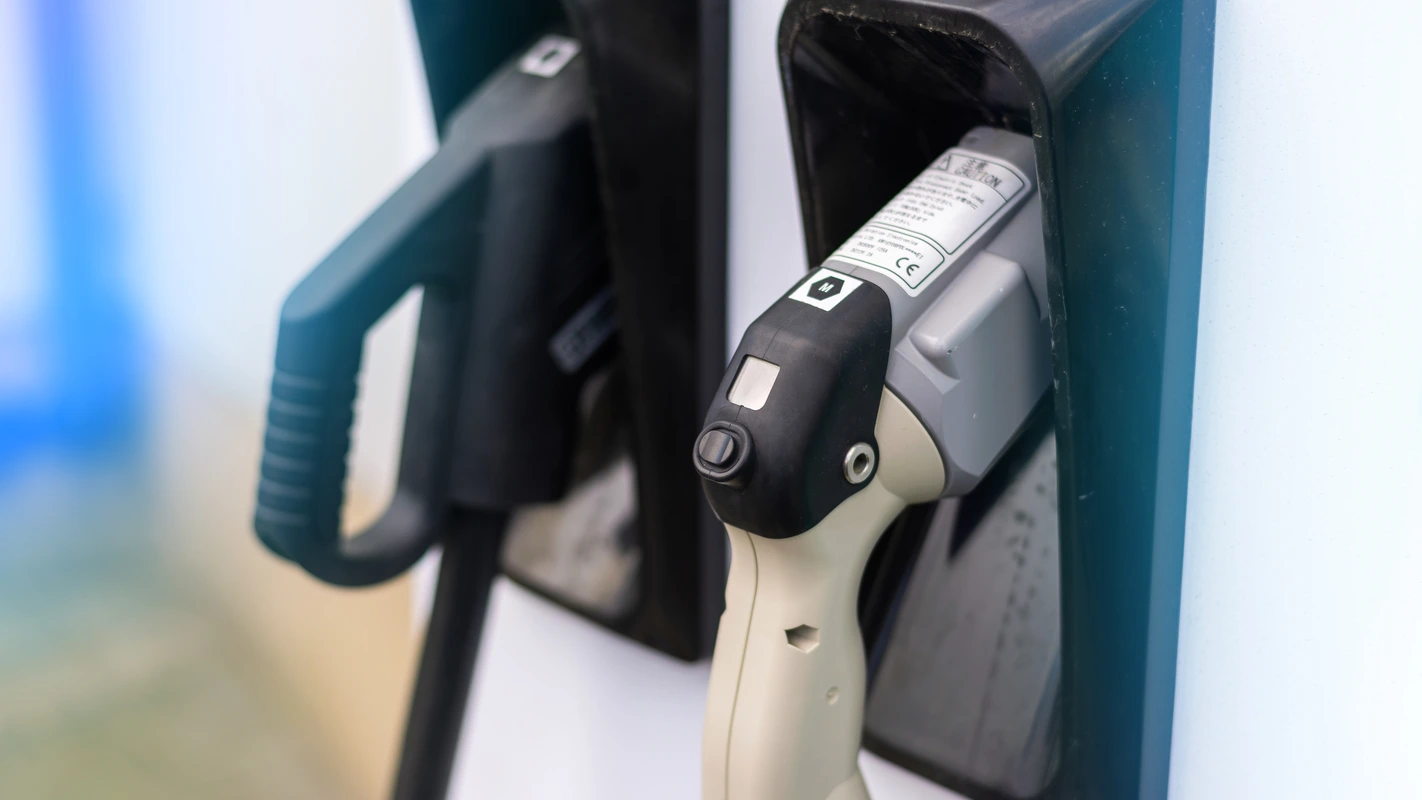
Looking ahead, the green building compliance bar will only rise. Nationally, the NCC is tightening energy rules every few years. Brisbane’s population growth and climate goals mean state and local governments are under pressure to reduce emissions from buildings. Innovative solutions like on-site batteries, electric vehicle charging infrastructure, and smart energy management are already becoming expected features in new designs.
By investing in green building compliance today, property owners and developers in Brisbane ensure their projects are future-proof. Early adopters of strict compliance win easier approvals, avoid retrofitting hassles, and meet the community’s expectations. In short, green building compliance is not a one-time checkbox; it’s an ongoing strategy for sustainable growth in Brisbane.
In today’s construction landscape, green building compliance is no longer simply about meeting regulations; it’s about creating buildings that are efficient, sustainable, and prepared for the future. By understanding Australian building standards, improving energy performance, and incorporating sustainable design principles, you can reduce operating costs, enhance occupant comfort, and increase the long-term value of your property.
Whether you’re developing a commercial facility or planning a residential project in Brisbane, prioritising compliance from the design stage helps avoid costly revisions and streamlines the approval process. Partnering with experienced professionals ensures your project aligns with current building energy compliance requirements while supporting environmentally responsible construction practices.
At EIS Technologies, we provide expert electrical engineering, building energy compliance, energy performance assessments, and sustainable engineering solutions tailored to projects across Brisbane. Contact us today to discuss your project and discover how we can help you achieve efficient, compliant, and future-ready building solutions.