Blog
How EV Charger Installations Future-Proof Brisbane Offices
Related Articles
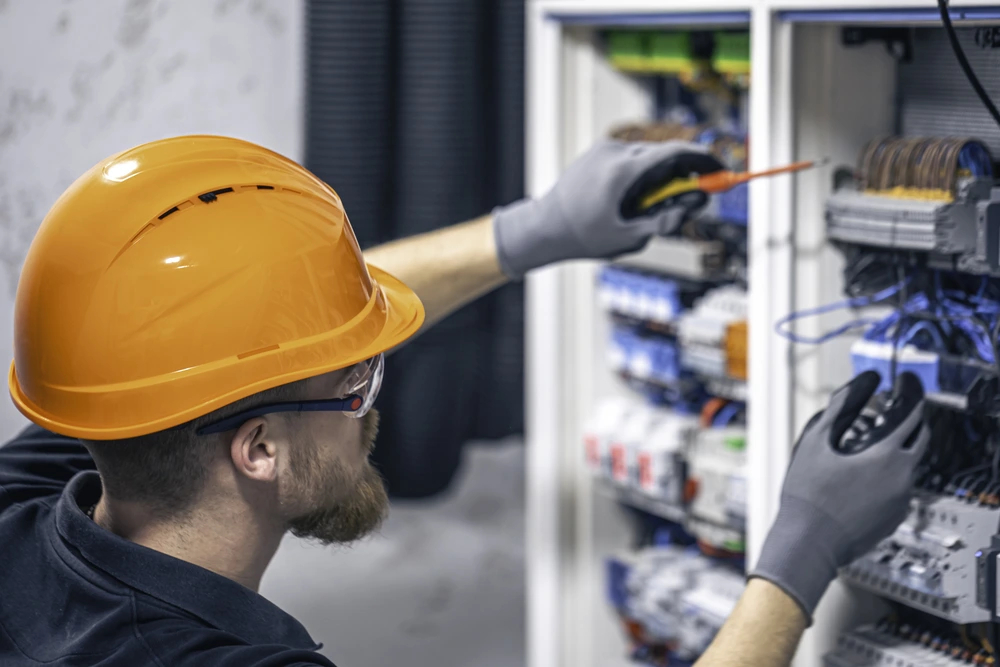

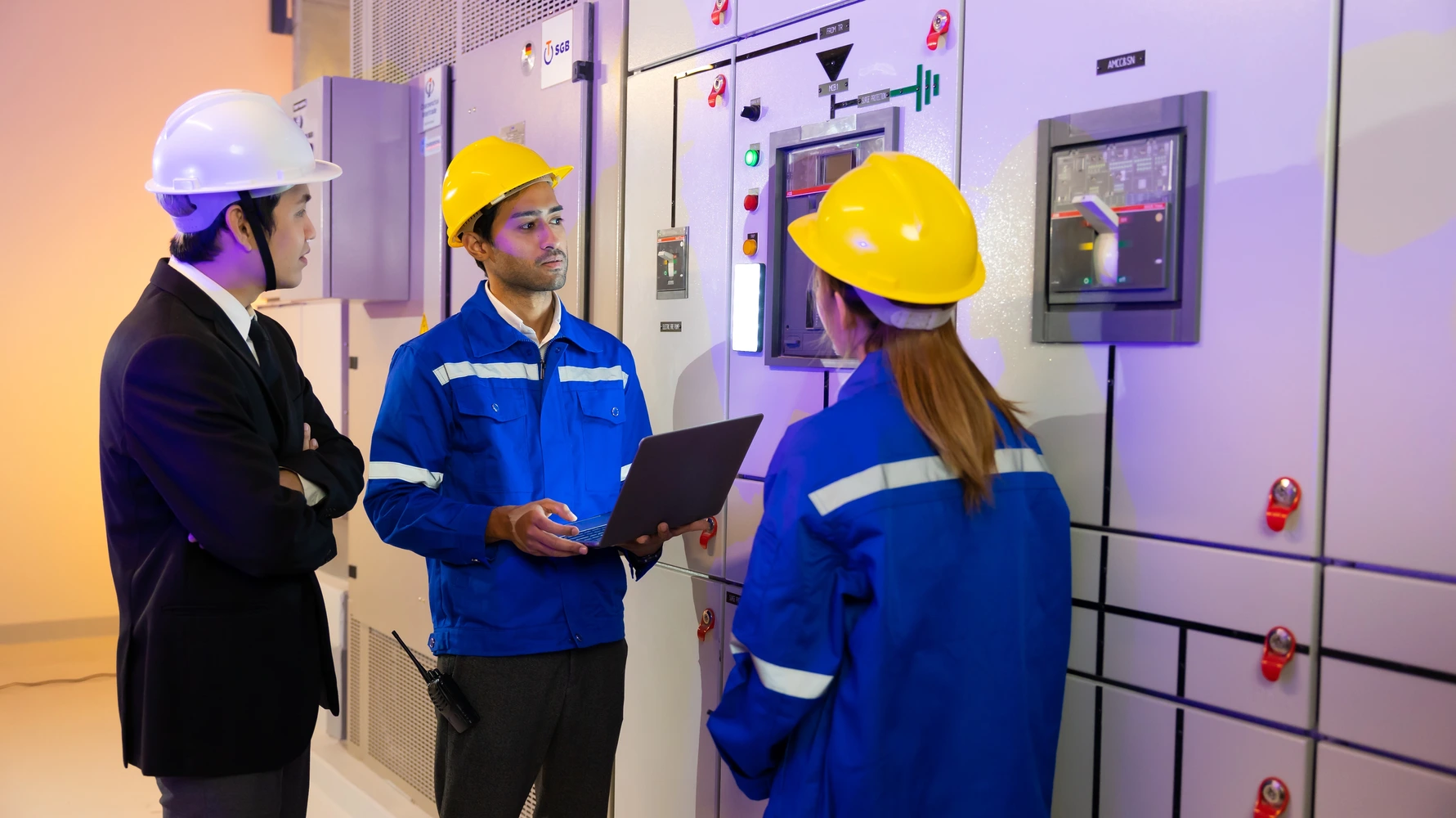


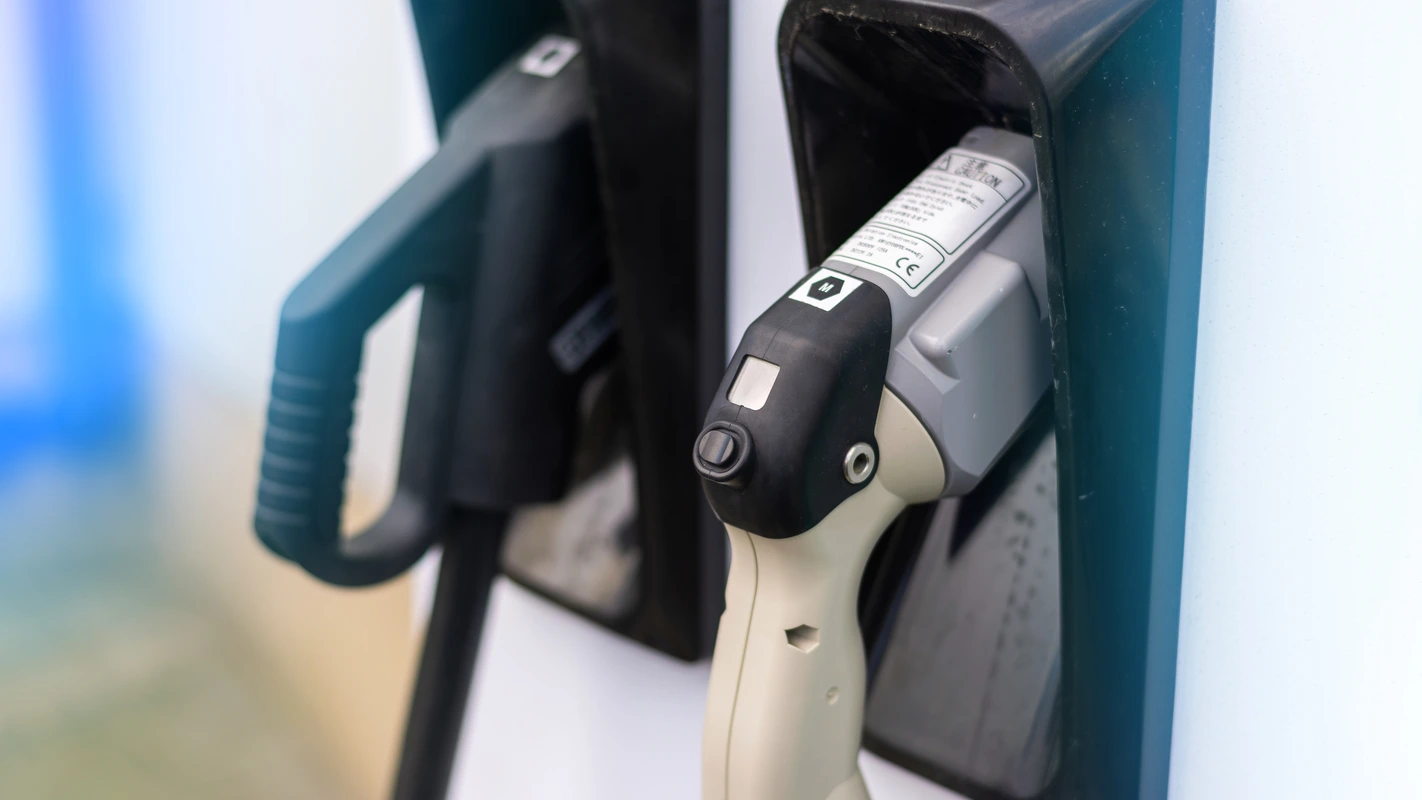
Walk through any Brisbane business park these days, and you’ll notice something different in the car park. Between the usual sedans and utes, there’s a growing number of EVs quietly plugged in, topping up while their owners are upstairs in meetings. It’s a small shift, but it says a lot about where commercial Brisbane is heading. EV charger installations are no longer a “nice to have” tucked away in a sustainability report; they’re becoming part of what makes an office building relevant, competitive, and genuinely future-ready.
If you manage a commercial property, run a growing business, or simply make decisions about office facilities, you’ve probably asked yourself whether now is the right time to invest in charging infrastructure. Spoiler: it usually is. But the “why” and “how” matter just as much as the “when,” so let’s unpack what EV charger installations actually mean for Brisbane offices, and why they’re fast becoming a smart long-term move rather than a trend to watch from the sidelines.
Brisbane’s commercial landscape is changing quickly. More employees are driving electric vehicles, more clients expect sustainable practices from the businesses they work with, and more property owners are realising that outdated infrastructure quietly erodes a building’s appeal. EV charger installations sit right at the intersection of these pressures.
Think of it this way: nobody chooses an office building because of its switchboard. But they absolutely notice — and remember — when a workplace makes their day easier. A staff member who can charge their car while they work isn’t thinking about kilowatts; they’re thinking, “this place gets it.” That’s the quiet power of good infrastructure. It doesn’t shout for attention; it just removes friction.
There’s also a practical business case. Commercial buildings that adapt early tend to avoid the scramble that comes with retrofitting later, once demand has already outpaced supply. Getting ahead of the curve is almost always cheaper than catching up to it.
Future-proofing gets thrown around a lot, so it’s worth being precise. In the context of commercial EV charger installation, it means designing electrical infrastructure that can grow with demand rather than needing to be torn out and redone every few years.
A future-proofed office typically has:
This is the difference between bolting on a charger because someone asked for one, and genuinely building EV charging infrastructure that supports the business for the next decade.
For a lot of facilities managers, the biggest question isn’t “should we do this”, it’s “what does the process look like?” Here’s a simplified breakdown.
| Stage | What Happens | Why It Matters |
| Site assessment | Electrician reviews existing switchboard capacity, cabling, and parking layout | Prevents under-sizing or overloading the building’s supply |
| Load calculations | Engineers work out how many chargers the site can support now and later | Avoids expensive retrofits down the line |
| Design & compliance check | Charger type, placement, and wiring are mapped against Australian Standards | Keeps the site safe and audit-ready |
| Installation | Licensed electricians install chargers, cabling, and any switchboard upgrades | Ensures the system works reliably from day one |
| Testing & handover | System is tested for safety and performance before going live | Confirms everything meets compliance and works as intended |
This staged approach is fairly standard across most EV charger installations, whether it’s a single office or a large commercial precinct. It’s worth noting that workplace EV charging stations aren’t a one-size-fits-all product. A boutique office with ten car spaces has very different needs to a large commercial precinct with a multi-storey car park. That’s exactly why a proper site assessment matters; it stops businesses from either overspending on capacity they don’t need, or under-investing and hitting a wall in two years.
It’s tempting to file EV charger installations under “corporate social responsibility” and leave it there. But the commercial logic stands on its own, separate from any environmental motivation.
Talent attraction and retention: Employees increasingly weigh workplace amenities when deciding where to work, and EV charging is quietly becoming one of those amenities, similar to secure bike storage or end-of-trip facilities a decade ago.
Tenant appeal for landlords: Commercial landlords across Brisbane are finding that business charging infrastructure helps differentiate a property in a competitive leasing market. It’s a point of difference that costs relatively little compared to the leverage it provides in negotiations.
Energy efficiency gains: Modern EV charging for office buildings is typically paired with smart load management, meaning the building can charge vehicles without blowing out peak demand charges. Done well, this ties into broader energy-efficient EV charging strategies that also reduce running costs for the building as a whole.
Avoiding the retrofit tax: Adding chargers later, once a car park is fully built out and the switchboard is at capacity, is markedly more disruptive and expensive than planning for it now.
EV charging doesn’t exist in isolation; it’s increasingly one component of a smarter, more connected building. Load management systems can prioritise charging during off-peak periods, work alongside solar generation where it’s installed, and feed data back to building managers about usage and demand.
The Australian Government notes that charging electric vehicles during off-peak hours between 9 am and 4 pm helps soak up excess renewable energy produced during the day and eases pressure on the energy system during peak times. For an office building, that’s a genuinely useful data point; it means a well-designed workplace charging system, timed sensibly, can actually work with the grid rather than against it.
This is also where the “future-proof” argument gets real teeth. A charger installed today without any smart capability is a static asset. A charger installed as part of a broader smart building technology strategy is one that keeps delivering value as energy prices, tariffs, and building demands shift over time.
One thing that often surprises business owners is how much support exists to help offset the cost of EV charging infrastructure. At a federal level, the Australian Government runs programs to help eligible businesses install charging equipment. The DRIVEN Charger Rebate Stream 2025 to 2028 provides funding towards the purchase and installation of eligible EV chargers, with businesses able to apply directly for a rebate, which is worth reviewing in detail.
Queensland has also made its own commitments here. The Queensland Government released its Zero Emission Vehicle Strategy 2022–2032, setting out a vision for a cleaner, greener, integrated transport and energy network, which you can read more about via.
It’s always worth checking current eligibility criteria before committing to a project, since grant programs open, close, and get updated fairly regularly. A good electrical contractor will usually know what’s currently on offer and can help you understand whether your business qualifies.
Not every electrician is set up to handle commercial-scale EV charging infrastructure projects. It’s a job that sits at the intersection of electrical compliance, building design, and long-term energy planning, which means experience matters more here than in a lot of standard electrical work.
Since EV charger installations tend to last well beyond the initial fit-out, it’s worth vetting installers with the same care you’d apply to any major building system. When assessing a potential installer, it’s reasonable to ask about:
Businesses in Brisbane looking to get this right from the start often work with electrical specialists who handle the full picture, from initial site assessment through to installation and ongoing maintenance, rather than treating the charger as a standalone add-on.
EV charger installations aren’t just about keeping pace with a trend; they’re a practical, forward-looking investment in how Brisbane offices operate day to day. Done properly, with the right load planning, compliance, and smart technology built in, a charging installation quietly pays for itself through tenant appeal, staff satisfaction, and reduced future retrofit costs.
The businesses that get ahead of this now won’t be scrambling to catch up in a few years when demand for workplace charging becomes the norm rather than the exception. If you’re weighing up whether your Brisbane office is ready for EV charger installations, the smartest first step is a proper site assessment, one that looks not just at what you need today but also at what your building will need in five or ten years.
If you’d like to talk through what a commercial EV charger installation could look like for your site, EIS Technologies works with Brisbane businesses on exactly this kind of future-focused infrastructure planning.