Blog
How Energy Audits Help with Building Energy Compliance in Brisbane
Related Articles





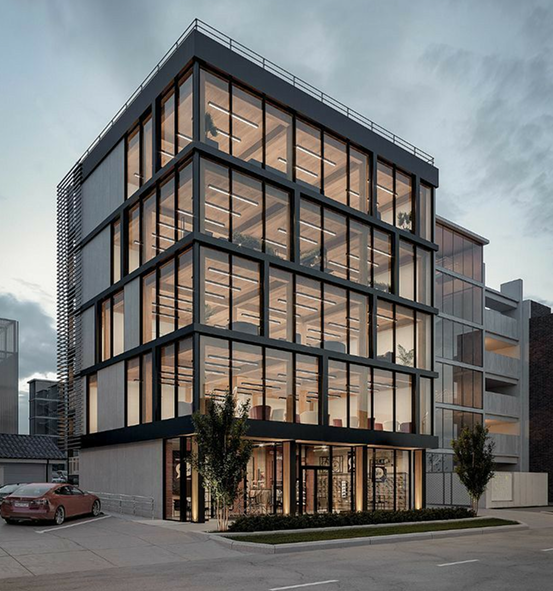
Energy performance is no longer a side issue for property owners. Today, smarter buildings reduce costs, improve comfort, and meet changing standards. That is why building energy compliance has become a practical priority for Brisbane businesses, developers, and facility managers looking to stay competitive.
An energy audit is often the first step toward better results. It gives you a clear view of how your building uses power, where waste occurs, and what upgrades can improve efficiency. Instead of guessing, you get data-driven recommendations that support better decisions.
For owners who want long-term savings and smoother approvals, audits create a clear roadmap. They also help align your property with building energy compliance Brisbane requirements, making it easier to improve performance while preparing for future standards and expectations.
In Brisbane, building energy compliance means meeting codes and standards designed to improve efficiency. The National Construction Code (NCC) and Queensland Development Code now embed strict energy rules. The NCC 2022 requires new houses and units to have at least a 7-star energy equivalence rating for the building shell. Multi-unit buildings must average 7 stars.
Building Energy Compliance isn’t just about new construction. Existing commercial offices have federal obligations. The Building Energy Efficiency Disclosure Act 2010 mandates that affected offices obtain a registered Building Energy Efficiency Certificate (BEEC) before sale or lease. A BEEC discloses a NABERS Energy for offices rating and a Tenancy Lighting Assessment.
Meeting these standards has concrete benefits. Compliant buildings use less power and cost less to run. More efficient buildings are also more comfortable in Brisbane’s climate and hold higher market value. Importantly, thorough compliance also reduces risk: proper documentation and performance ratings can speed up approvals and lower insurance premiums. In short, green building compliance pays dividends in cost savings, comfort and asset value.
Conducting an energy audit involves several clear steps:
Data Collection: Gather at least 12 months of electricity/gas bills, building plans, and equipment lists. Meter logs (such as for HVAC run times) are also collected.
On-site Inspection: The auditor tours the site, noting equipment types (lights, motors, controls, etc.), usage schedules, and any obvious issues. They may use tools like light meters or thermal cameras.
Analysis: Using the data and observations, the auditor models energy flows. This may involve simple spreadsheets or advanced simulation software. They identify which systems consume the most energy and how they compare to benchmarks.
Recommendations: The audit report itemises potential upgrades and estimates their savings. Crucially, it aligns these recommendations with compliance goals.
Implementation Support: Though often outside the audit itself, many auditors help owners plan or oversee the installation of upgrades. Finally, all work is tested and certified; in Queensland, any major electrical upgrades must pass a compliance test by a licensed electrician.
This process ensures that a building’s energy systems meet the relevant performance standards. For example, if an office’s old chiller is too big, the audit will catch it and suggest replacement, thereby helping the building meet the NCC’s energy-use benchmarks. If a new home’s design is audited before construction, tweaks can be made early to hit the 7-star target.
Energy audits yield immediate and long-term returns:
Cost Savings: By identifying waste, audits often lead to easy wins that slash bills. Typical upgrades can reduce energy use by tens of per cent. For Brisbane businesses, even small percentage gains add up in our warm climate.
Regulatory Readiness: Audits prepare buildings for official checks. An audited plan means you can demonstrate to councils or certifiers that your design meets the energy code. For sale/lease transactions, an auditor’s NABERS rating input helps get a BEEC ready.
Increased Comfort: Efficient buildings regulate temperature better. Audits often uncover under-cooled zones or poor ventilation; fixing these makes tenants happier. In Brisbane’s humidity and heat, this is a big plus.
Market Appeal: An energy-efficient building rents or sells faster. Audits can be a marketing point; imagine advertising your building’s NABERS rating or lower average energy bills.
Risk Reduction: Non-compliance can be costly. Audits reduce the chance of surprises. They also mitigate safety risks: for instance, catching faulty wiring or overloaded circuits before they cause outages or fire hazards.
In summary, audits directly improve building energy compliance and provide the evidence to prove it. They effectively transform compliance from a passive requirement into an active benefit.
Government guidance breaks audits into three levels, depending on how detailed you need to be:
| Audit Type | Scope & Detail | Typical Outcome (Compliance) |
| Basic (Type 1) | Broad overview of energy use; quick scan of facilities and utility data. No extra metering. | Identifies major inefficiencies; estimates quick-payback fixes (e.g. lighting swaps). Good for small businesses or first-time audits. Helps with basic NCC/QDC compliance checks. |
| Detailed (Type 2) | Thorough analysis of all major systems. Quantifies savings opportunities and financial payback. May use modelling or some sub-metering. | Prioritises improvements by ROI. Clarifies exactly what is needed to hit efficiency targets (e.g. insulation R-values). Supports formal compliance documentation (NCC Section J reports, NatHERS model validation). |
| Investment-Grade (Type 3) | Subsystem focus (e.g. chiller plant or lighting system) with precise measurements. Additional meters installed. | Provides high-confidence data for large projects or upgrades. Often used before big retrofits. Yields data that can be submitted to certifiers or included in formal energy performance contracts. |
Each audit type has its place: small sites may only need a Type 1, while large offices or manufacturing plants might commission Type 2 or Type 3 audits to meet strict compliance and investor requirements. In any case, audits tie back to compliance by showing where a building stands against the standards.
In Brisbane, audit services range from local engineering firms to national consultancies. Key tips: ensure the auditor is accredited and knowledgeable about local codes. For BEEC work, you’ll need a NABERS-accredited assessor. Ask prospective auditors if they follow AS/NZS 3598 standards and if they have experience in your building type. Good auditors will provide not just the report, but guidance on how to implement changes.
Costs vary by audit depth, but consider it an investment: audit-recommended upgrades often pay back within a few years via savings and compliance. Government grants or rebate programs can sometimes subsidise audit costs or retrofits. Finally, use audit findings to educate building managers and occupants about energy-saving practices. Audits often uncover simple behaviour changes that help compliance.
Strong energy performance starts with clear planning, accurate data, and timely action. Throughout this blog, we explored how energy audits help identify waste, improve system efficiency, and support smoother building energy compliance outcomes for commercial properties. They give building owners a practical roadmap instead of relying on guesswork.
We also covered how audits support upgrades such as lighting, HVAC, switchboards, and smarter controls. These improvements can reduce running costs, improve comfort, and help meet changing standards. For Brisbane businesses, staying proactive with energy performance today often prevents larger compliance issues tomorrow.
If you want expert guidance on audits, upgrades, or compliance strategies, our team at EIS Technologies is ready to help. We provide practical solutions for Brisbane commercial properties with a focus on performance and long-term value. Contact us today to discuss your building needs and take the next step with confidence.